At Immunity Therapy Center (ITC), we believe prevention is one of the most powerful forms of care. Avoiding skin cancer from sun exposure isn’t just about steering away from sunburns, it’s about reducing your long-term risk of skin cancer. Whether you’re soaking up sunshine on vacation or simply going about your day, understanding SPF and choosing the right sunscreen can help keep your skin healthy for years to come.
What is SPF and How Does It Protect Your Skin?
You’ve probably seen SPF numbers on sunscreen bottles, but what do they really mean? SPF stands for Sun Protection Factor. It measures how well a sunscreen product protects your skin from UVB rays, the type of ultraviolet radiation that causes sunburn and contributes to skin cancer.
-
- SPF 30, for example, blocks about 97% of UVB rays when applied properly.1
- SPF 50 blocks roughly 98%.1
The higher the SPF, the more protection it offers, but no sunscreen blocks 100% of UV rays. Why is this important? Because when your skin absorbs too much UV radiation, it can damage skin cells’ DNA. Over time, this damage can lead to mutations, increasing your risk of developing skin cancer, including melanoma, basal cell carcinoma, and squamous cell carcinoma. Simple steps like using sunscreen daily, can help you take charge of your skin health and reduce your risk of future concerns.
Choosing the Right Sunscreen for Your Skin Type
Not all sunscreens are the same, and finding one that works for your skin type can make daily sun protection feel easier and more comfortable.
Consider Your Skin Type
- Sensitive or Acne-Prone Skin? Choose a mineral sunscreen with ingredients like zinc oxide or titanium dioxide. These sit on top of your skin to reflect UV rays and are less likely to cause irritation.
- Oily Skin? Look for lightweight, oil-free, or gel-based formulas to avoid clogged pores.
- Dry Skin? Sunscreens with added moisturizers, like hyaluronic acid or ceramides, help hydrate while protecting.
Physical vs. Chemical Sunscreens
- Physical (Mineral) Sunscreens – Use natural ingredients to create a barrier that reflects UV rays. Gentle on sensitive skin.2
- Chemical Sunscreens – Absorb UV rays before they damage your skin. They’re often lighter in texture but may irritate sensitive skin.2
Pro tip: Choose a broad-spectrum sunscreen, which protects against both UVA (aging rays) and UVB (burning rays). This offers the most complete protection against sun damage and skin cancer. 
Proper Application and Reapplication of Sunscreen
Applying sunscreen correctly is just as important as choosing the right product. At ITC, we encourage patients to think of sunscreen as daily skin care, not just something for beach days.
How to Apply Sunscreen Effectively
- Use about 1 ounce (a shot-glass worth) to cover your entire body.3
- Don’t forget commonly missed spots like ears, neck, hands, and tops of feet.
- Apply 15 to 30 minutes before sun exposure to allow absorption.
When to Reapply
- Every two hours, or more often if you’re sweating, swimming, or toweling off.3
- Reapply after physical activity to maintain protection.
Remember, even water-resistant sunscreens need reapplying regularly to provide continuous protection against harmful UV radiation.
Holistic Approaches to Enhancing Skin Health
Caring for your skin isn’t just about what you put on the outside. Supporting your body from within is just as important. Our alternative therapies focus on strengthening your immune system and promoting overall wellness.
Natural Ways to Support Skin Health
- Antioxidant-rich nutrition – Eating colorful fruits and vegetables helps protect your skin cells from oxidative stress caused by sun exposure.
- Intravenous Curcumin IV Therapy – At ITC, therapies like IV Curcumin can help reduce inflammation and support natural healing processes.
- Hydration – Drinking plenty of water keeps skin resilient and healthy.
- Oxygen Therapies – Oxygen treatments improve oxygen delivery throughout your body, supporting tissue repair and immune function.
Just like sunscreen protects your skin externally, our holistic therapies work from the inside to support your skin’s natural defenses and help reduce your long-term risk of skin cancer.
Empower Your Skin with ITC’s Support
We believe that simple, mindful steps can make a world of difference when it comes to protecting your skin and reducing your risk of skin cancer. Whether it’s understanding SPF, applying sunscreen daily, or supporting your immune health with alternative therapies, every action matters. If you’re looking for personalized, compassionate guidance on skin cancer prevention, or care options that treat the whole person, we’re here to help. Contact Immunity Therapy Center today to learn how our natural, holistic therapies can support your body’s healing journey from the inside out.
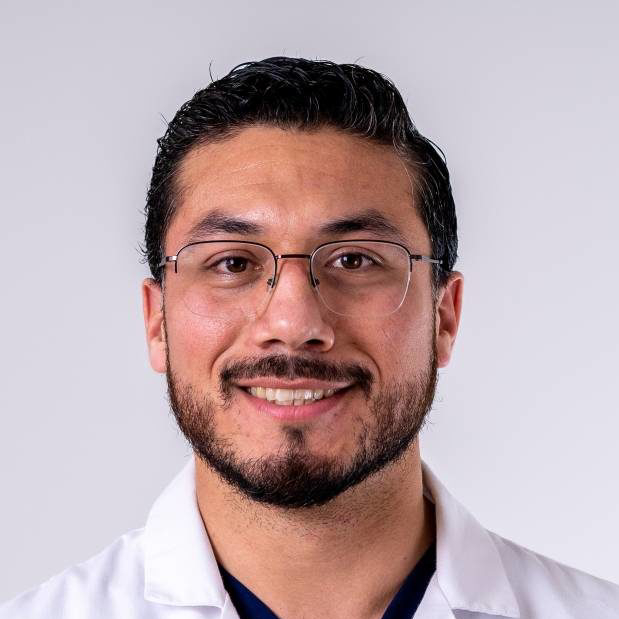
Written By: Dr. David Alvarez Dr. David Alvarez is a Board Certified Medical Doctor from Universidad Xochicalco and Certified by the American Heart Association (Advanced Cardiovascular Life Support). Dr. Alvarez has been collaborating with Dr. Bautista as an Assistant Medical Director at the Immunity Therapy Center for over 6 years. He provides daily on site patient care and participates on the medical board on research and development of patient treatment plans and programs. Dr. Alvarez is a knowledgeable and compassionate Doctor committed to helping patients get to where they want to be health wise through a more holistic and comprehensive approach.
Sources:
- National Library of Medicine. (2012). Comprehensive Review of Ultraviolet Radiation and the Current Status on Sunscreens. PMID: 23050030
- Cleveland Clinic. (2024). The Difference Between Mineral and Chemical Sunscreens. https://health.clevelandclinic.org/mineral-vs-chemical-sunscreen
- American Academy of Dermatology Association. (2025). How to Apply Sunscreen. https://www.aad.org/public/everyday-care/sun-protection/shade-clothing-sunscreen/how-to-apply-sunscreen
- Skin Cancer Foundation. Recommended Products: Sun Protection Product Finder. https://www.skincancer.org/recommended-products/