To Buy Imodium Online Visit Our Pharmacy ↓
 Myths about Imodium Debunked by Experts
Imodium Doesn’t Cause Constipation What Experts Say
In everyday practice, clinicians encounter patients who worry that a single dose of loperamide will leave them painfully constipated. Experts note that when used exactly as directed for short-term diarrhea, loperamide slows intestinal transit enough to reduce stools without causing prolonged obstruction. Individual responses vary: older adults, those with motility disorders, or concurrent anticholinergic drugs have higher constipation risk. The key is proper dosing and reassessment if symptoms persist beyond forty-eight hours.
Physicians advise starting with the lowest effective dose and pairing loperamide with hydration and soluble fiber to ease stool consistency. For persistent or severe constipation, or if abdominal pain and vomiting occur, prompt medical evaluation is essential because the drug can mask underlying pathology. Pharmacists emphasize avoiding chronic self-treatment and checking interactions. When used judiciously, experts agree loperamide is unlikely to cause sustained constipation in most healthy adults.
| Situation | Expert advice |
|---|---|
| Short-term use | Low risk; follow dosing |
| At-risk patients | Monitor, consider alternatives |
Loperamide Addiction Myth How Dangerous Is It
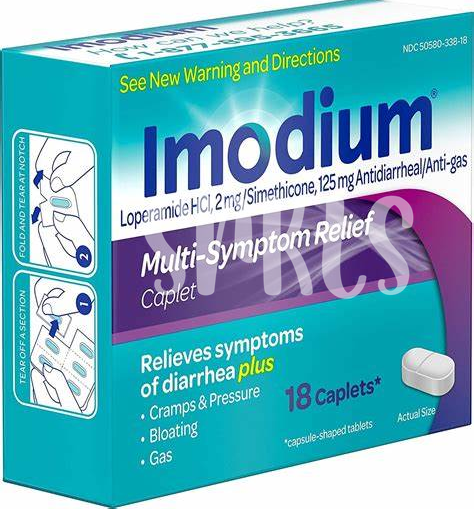
Many people fear dependence after reading online tales; clinicians note that normal use of imodium is not addictive.
Loperamide acts mainly in the gut with minimal brain entry, so addiction risk is low at recommended doses. Misuse—taking huge amounts to self-treat opioid withdrawal or chasing effects—changes that balance.
High doses can cause dangerous cardiac arrhythmias, sedation, and respiratory depression. Combining it with alcohol, antidepressants, or heart medicines increases risk.
Use only as directed, consult a doctor for persistent diarrhea or withdrawal, and seek help immediately if someone escalates dosing promptly.
High Doses Are Safe Experts Explain Cardiac Risks
I watched a friend swallow extra imodium during a long flight, convinced more would fix symptoms faster. It felt harmless but raised questions: when does a common remedy become a medical gamble? and surprisingly risky.
Clinicians emphasize that excessive use can trigger dangerous heart effects: palpitations, fainting, severe arrhythmia and prolongation of the QT interval. Reports link overdoses to emergency admissions and rare fatal outcomes without prompt care and vigilance.
At high doses loperamide blocks cardiac ion channels and can widen QRS or prolong QT, mechanisms that predispose to torsades. Risk increases with interacting drugs like CYP inhibitors, and with severe dehydration or electrolyte imbalance.
Experts advise following labeled dosing, avoiding self-escalation, and seeking immediate care for palpitations, fainting, or chest pain. Poison control can guide management. For chronic diarrhea evaluate underlying causes rather than masking symptoms and consult physicians.
Using It for Opioid Withdrawal Effective or Harmful

A friend told me she swallowed handfuls of imodium, hoping it would quiet the shakes and stomach cramps. Loperamide mainly works in the gut to slow motility, so at recommended doses it won’t ease central opioid withdrawal or drug cravings. To feel any opioid effect, people take dangerously high amounts that can cross into the brain, but that gamble brings serious cardiac risks — arrhythmias, QT prolongation — and interactions with other medications.
Experts stress safer options: medically supervised detox and medications such as buprenorphine or methadone reduce withdrawal, lower overdose risk, and address cravings. If someone is tempted to self-treat, encourage immediate contact with addiction services or emergency care; never combine loperamide with grapefruit juice or strong CYP inhibitors that boost blood levels. Harmful shortcuts may seem hopeful in the moment, but evidence and clinicians favor regulated treatment over DIY strategies.
Children and Imodium What Parents Must Know
Parents often face sudden diarrhea and may consider imodium for quick relief, but pediatric guidance differs from adults. Experts emphasize that age, weight and underlying cause determine safety: many childhood diarrheas are viral and self‑resolving, while bacterial infections or chronic conditions need medical evaluation. Over‑the‑counter use is generally discouraged for infants. For older children a clinician can recommend appropriate dosing. Prioritize hydration and behavior over stool consistency and seek care.
Red flags requiring prompt medical review include fever, bloody stools, persistent vomiting, lethargy or signs of dehydration. Never give imodium to infants under two years without medical advice or when bacterial infection or toxin is suspected. Discuss correct weight‑based dosing and potential side effects with your pediatrician. Keep medicines out of reach, avoid sharing adult tablets, and promptly seek care if symptoms worsen or fail to improve within 24–48 hours.
| Age | Quick Advice |
|---|---|
| Under 2 yrs | Avoid; contact clinician |
| 2–5 yrs | Seek medical guidance |
| 6+ yrs | Use per pediatric dosing |
When Imodium Masks Serious Illness Red Flags to Recognize
A dose can ease distress, yet masking persistent symptoms risks delaying diagnosis. Experts caution that suppressing diarrhea or abdominal pain can conceal infections, inflammatory bowel disease, or ischemia. If symptoms persist over forty-eight hours or include fever, blood, or intense pain, get evaluated.
Do not ignore worsening signs: unrelenting vomiting, dehydration, confusion, rapid heartbeat, or fainting demand urgent care. Clinicians may order stool studies, blood tests, or imaging to find causes that require antibiotics, anti-inflammatory therapy, or surgery. Prompt diagnosis prevents complications and avoids masking dangerous disease in high-risk patients.