To Buy Atarax Online Visit Our Pharmacy ↓
 Mixing Atarax with Alcohol: Dangers and Precautions
Why Mixing Atarax and Alcohol Is Risky
Picture someone taking a prescribed antihistamine at night, hoping to calm anxiety, then accepting a drink at a social event. The combined effect dulls the nervous system more than either substance alone; drowsiness deepens and judgment fades.
Both agents depress the central nervous system, impairing coordination, reaction time and decision making. Heart rate and breathing may slow unpredictably, especially at higher doses or when other sedatives are present. This increases the risk of accidents, dangerous driving and respiratory problems.
Age, liver health and concurrent medications change how the body handles these drugs, so effects vary widely. What seems like a mild sleepiness for one person can become life threatening for another. Err on the side of caution and avoid drinking when taking sedating medications.
| Sedation - Impaired breathing | Cognition - Poor judgment |
How Alcohol Magnifies Atarax's Sedative Effects
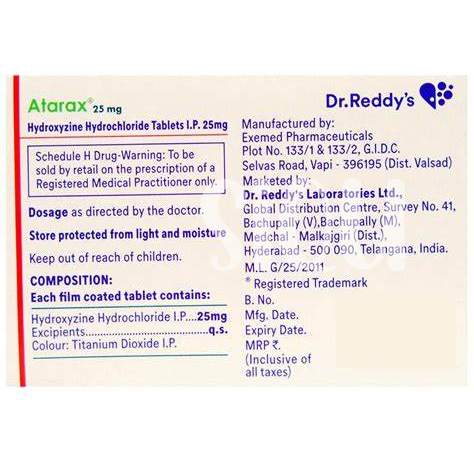
One evening, a person reaches for a drink after taking atarax, expecting calm; instead the two compounds team up, deepening drowsiness and slowing reflexes. Alcohol boosts the drug’s depressant action in the brain, multiplying sedation and blunting coordination far more than either substance alone.
This can impair judgment, reaction time and breathing—risks that rise with higher doses or repeated use. Combining alcohol with atarax may also prolong recovery from sedation, increasing fall risk and accidents; medical supervision is advised if unexpected heavy drowsiness or breathing difficulties occur, seek help promptly.
Potential Dangers: Impaired Breathing, Cognition, and Falls
She thought the drink would ease anxiety, but combining her prescribed atarax with alcohol intensified sleepiness and slowed breathing, catching her off guard in familiar surroundings more quickly.
Mental fog replaced clarity: memory lapses, slowed reactions and poor judgment can follow, turning routine tasks like driving or supervising children into dangerous gambles and simple responses may be dangerously delayed.
Stumbles feel minor until a fall causes fractures; in older adults and those with lung problems, combined sedation raises chance of respiratory depression, making timely medical evaluation essential for quick recovery.
Who Is Most Vulnerable: Age, Conditions, Medications

Older adults and young people react differently; an elderly neighbor’s dizziness after taking atarax with wine reminds us that age changes metabolism and sensitivity. Chronic illnesses—like COPD, sleep apnea, liver or kidney disease—heighten risk because slowed clearance and respiratory compromise magnify sedative effects and danger.
Combine atarax with opioids, benzodiazepines, or alcohol and a quiet night can become hazardous; interactions deepen sedation and respiratory depression. People taking antidepressants, antihistamines, or multiple prescriptions should consult clinicians, adjust doses, and avoid drinking. Honest medication lists and pharmacist conversations save lives every time.
Safer Alternatives and Practical Tips for Atarax Users
You can imagine a quiet evening when you consider reaching for a drink while taking atarax — slow, tempting relief that can quickly become risky. Instead, try practical substitutes: nonalcoholic relaxation rituals (warm bath, breathing exercises), scheduled bedtime routines, or short courses of cognitive behavioral therapy for insomnia. For anxiety, discuss with your clinician about switching to non-sedating medications, lower doses, or psychotherapy, which avoid additive sedation and protect functioning.
Practical safeguards reduce harm: skip alcohol entirely while taking the drug, avoid driving or operating machines for several hours, and stagger dosing if advised. Carry a medication card noting hydroxyzine, review all prescriptions and supplements for interactions, and ask about dose adjustments for older adults. If you notice excessive drowsiness, breathing changes, or confusion, stop alcohol and contact your prescriber promptly or seek emergency care if breathing worsens immediately now.
| Tip | Why it helps |
|---|---|
| Avoid alcohol | Prevents additive sedation |
When to Seek Emergency Help after Mixing Substances
An unsettling haze can begin after mixing a sedating antihistamine with alcohol: extreme drowsiness, slurred speech, slowed or irregular breathing, confusion, vomiting, or an inability to rouse the person are red flags. If someone becomes hard to wake, pale or blue-tinged, or has seizures, treat this as an emergency.
Call emergency services, describe medications and alcohol consumed, and stay with them. Do not force fluids or induce vomiting. If breathing is shallow, place them in the recovery position and be prepared to perform CPR. For milder symptoms, contact poison control.